Blog
Have you ever heard of “The Texas Triangle?” No, it isn’t an extra large trilateral polygon. Instead, The Texas Triangle refers to the interconnected urban megaregion encompassing four of the state’s largest cities: Houston, Austin, San Antonio, and Dallas-Fort Worth. This area is not just a geographical marker; it’s a dynamic economic powerhouse that has become a focal point for growth, innovation, and cultural diversity in the United States.
Texas Triangle Facts
- The Texas Triangle is home to over 70% of the state’s population.
- It generates more than 75% of Texas’s GDP.
- The region is expected to grow by more than 65% in the next 40 years, with projections suggesting it could house nearly 35 million residents by 2050.
The Texas Triangle: What is a Megaregion?
A megaregion goes beyond a large urban area; it’s an economic, social, and infrastructural network that spans several cities, creating a combined zone of influence that drives national growth. American megaregions include Arizona’s Sun Corridor, the Gulf Coast, and the Great Lakes Megaregion.
The Texas Triangle serves as a prime example of this concept, acting as a hub for innovation and economic development. With its vast resources, strategic location, and booming population, the Texas Triangle contributes significantly to both the state and the national economies, making it a megaregion unlike any other.
What Makes the Texas Triangle Different?
The Texas Triangle stands out among American megaregions for several reasons, defying the common stereotypes that often accompany urban conglomerates. Its unique blend of cultures, industries, and landscapes has created a region that is as diverse as it is dynamic.
Houston
Houston, the largest city in the Triangle, is renowned for its energy sector, particularly oil and gas. However, its economy is multifaceted, with strong healthcare, technology, and aerospace industries. The city’s port also serves as a critical gateway for international trade, further solidifying its role in the global economy. Houston’s cultural diversity, reflected in its food, festivals, and arts scene, adds to the richness of the Texas Triangle.
Austin-San Antonio Corridor
One of the fastest-growing regions in the country, the Austin-San Antonio corridor is a hotbed for technology and innovation, often dubbed the “Silicon Hills” due to its burgeoning tech scene reminiscent of California’s Silicon Valley. Austin, with its vibrant music and cultural festivals, alongside its status as a tech hub, attracts young professionals and creatives from across the globe. San Antonio, known for its historical significance and tourism, adds a different flavor to the megaregion, with attractions like the Alamo and the RiverWalk drawing visitors year-round.
Dallas-Fort Worth
Dallas-Fort Worth (DFW) anchors the northern point of the Triangle, with an economy that excels in telecommunications, banking, and commerce. The DFW Metroplex is a major transportation hub, home to one of the busiest airports in the world, facilitating global business and travel. The area’s educational institutions and cultural amenities, from museums to parks, contribute to its high quality of life and appeal to families and businesses alike.
Texas Triangle Facts: Trending Growth
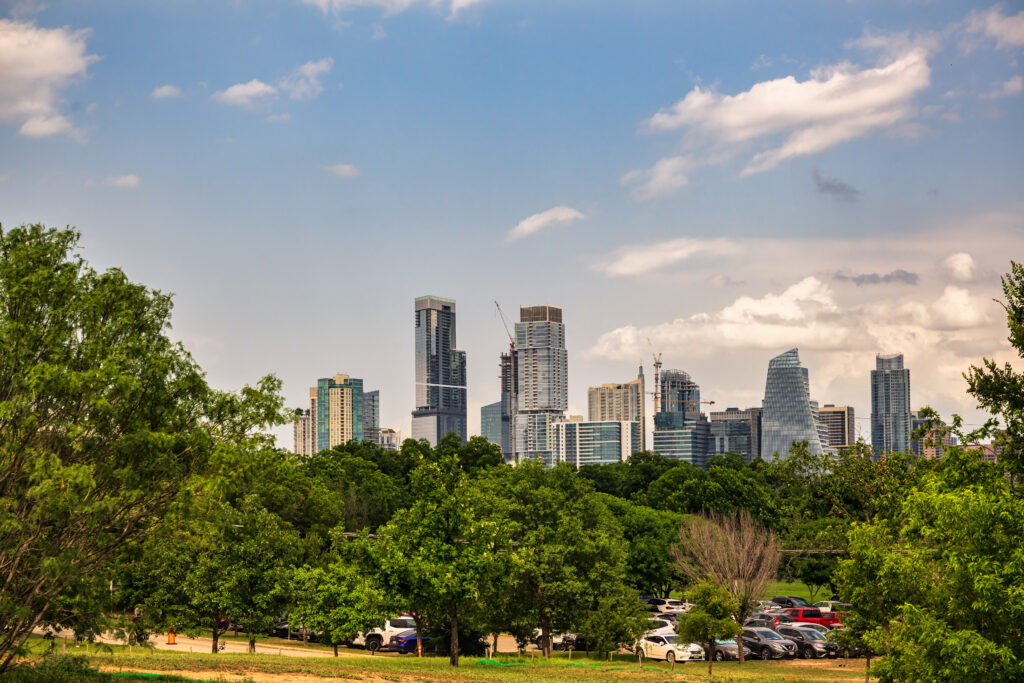
The Texas Triangle has experienced remarkable growth over the past decade, and shows no sign of slowing down. The megaregion is projected to grow by another 19% by 2030, driving its total population above 21 million people.
What’s behind the boom? It’s driven by a combination of factors including job growth, corporate relocations, and favorable economic conditions. Each region within the Triangle has contributed to this trend in unique ways.
- Houston has seen significant expansion in the energy sector, healthcare, and technology, attracting professionals from across the globe. The city’s port, one of the busiest in the world, continues to drive international trade and economic development.
- Austin-San Antonio Corridor is a magnet for tech companies and startups, with tech heavyweights like Oracle, Tesla, SpaceX, and Apple all opening new arms in the region recently. The area’s vibrant culture and innovative spirit have made it a top choice for young professionals and creatives.
- Dallas-Fort Worth has become a hub for telecommunications, finance, and transportation, with DFW International Airport serving as a critical global gateway. The region’s diverse economy and quality of life have made it attractive for families and businesses alike.
The influx of major corporations relocating to Texas, attracted by the state’s business-friendly environment and lack of state income tax, has further fueled growth across each of these regions.
Navigating the Real Estate Trends in the Texas Triangle
The Texas Triangle showcases a dynamic real estate landscape shaped by rapid population growth, economic expansion, and diverse housing demands. Each corner of the Triangle — Houston, the Austin-San Antonio corridor, and Dallas-Fort Worth — presents unique market trends influenced by local factors such as economic development, zoning regulations, and community planning.
Houston: A Market of Diversity and Expansion
Houston’s real estate market reflects the city’s economic and cultural diversity, maintaining stability even as sales volumes decrease. The median sales price in Houston remained flat year-over-year, with a slight increase in average days on the market and active listings. Despite a slowing market, there’s anticipation for a resurgence once interest rates stabilize.
Austin-San Antonio Corridor: Booming Real Estate Frontiers
Austin, within the corridor, has emerged as a “magnet city,” attracting businesses and people alike, including major corporations like Tesla and Samsung. This has fueled real estate growth, especially in the industrial sector, despite a decrease in office sector demand due to the pandemic’s influence on work habits. San Antonio, on the other hand, has shown resilience with a slight dip in median sales prices and a notable increase in active listings, reflecting a more balanced market.
Dallas-Fort Worth: Balanced Growth Across the Metroplex
Dallas-Fort Worth has been recognized for its corporate relocations and suburban expansion, contributing to its robust real estate market. The area’s attractiveness is enhanced by growth areas that offer a blend of housing, offices, and amenities, facilitating a lifestyle with shorter commutes. This has made the metroplex a hub for both residential and commercial growth, further supported by its leading role in national homebuilding prospects.
Moving to the Texas Triangle?
For those considering a move to the Texas Triangle, the current market presents both challenges and opportunities. While buying within city limits may be challenging due to high demand and rising prices, the suburbs of the Texas Triangle offer excellent opportunities for homeownership.
Suburban areas not only provide more affordable housing options but also access to quality schools, amenities, and a sense of community. The suburbs around Houston, Austin, San Antonio, and Dallas-Fort Worth are all experiencing growth, making them attractive for those looking for new homes with modern features.
Finding Your Home in the Texas Triangle with Hillwood
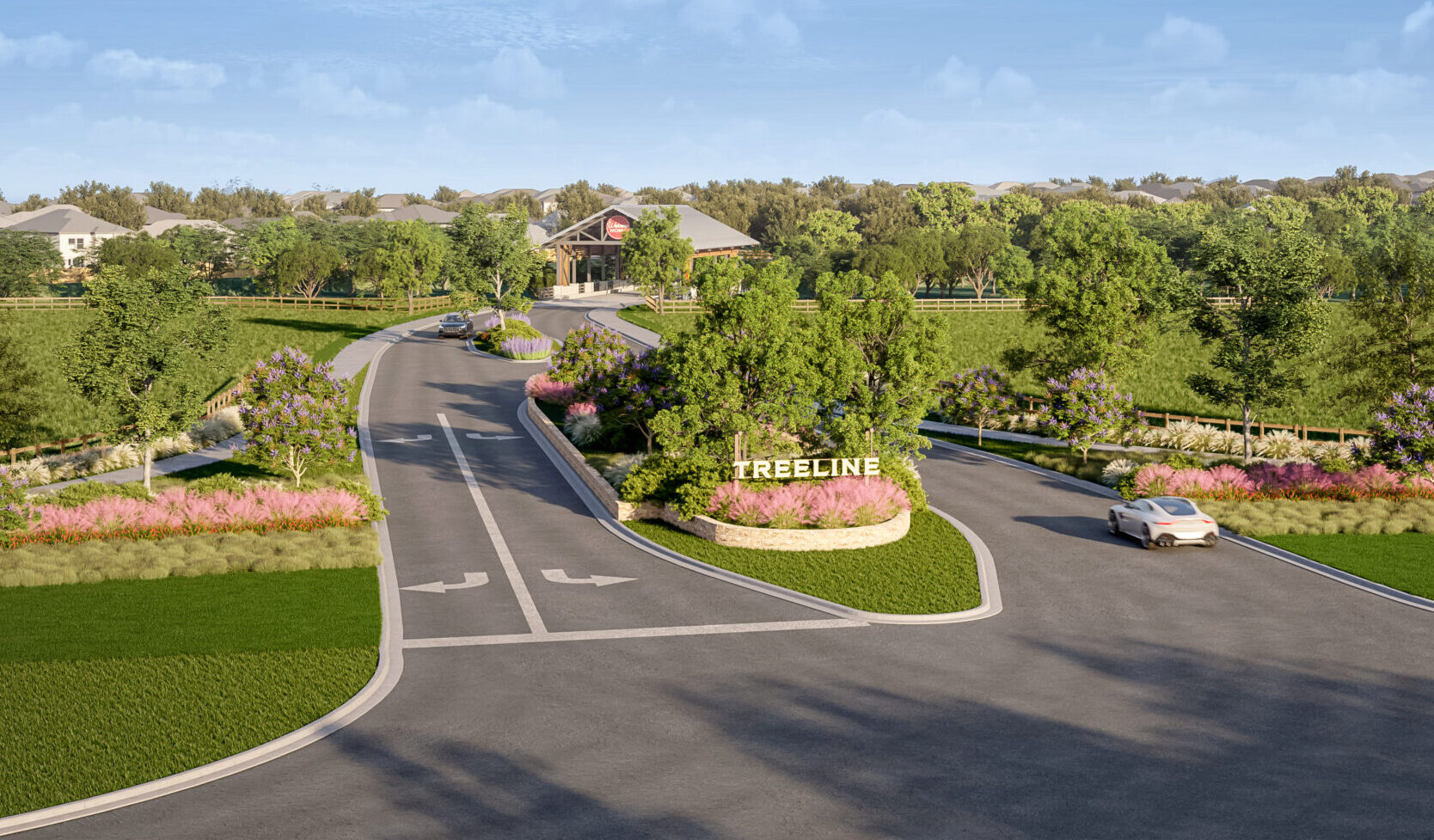
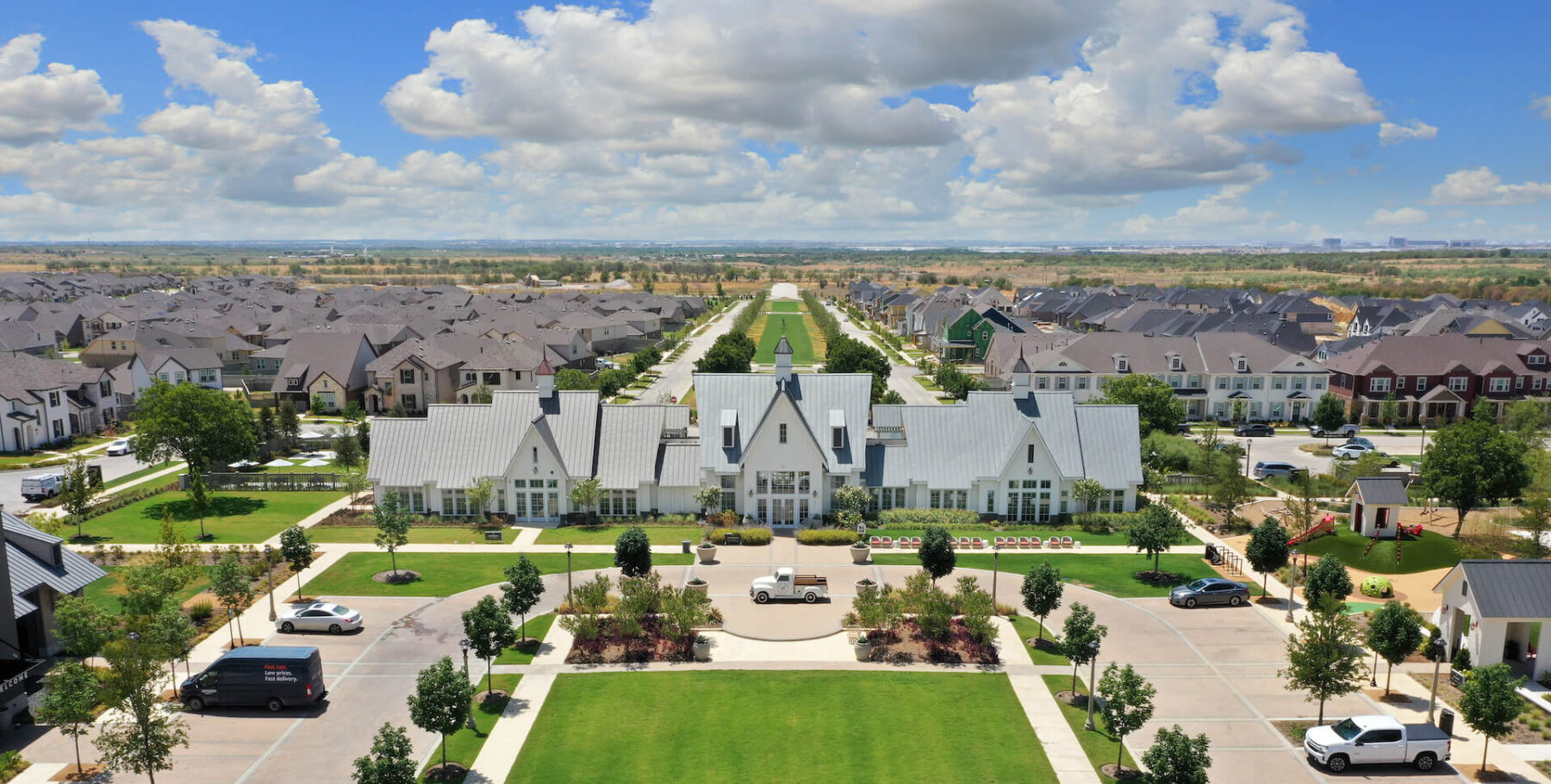
As the Texas Triangle continues to grow, Hillwood Communities remains at the forefront of developing new home communities that cater to the evolving needs of today’s homebuyers. Whether you’re drawn to the vibrancy and innovation of the Austin area, the economic opportunities in Dallas-Fort Worth, or the diverse landscape of greater Houston, Hillwood Communities offer the perfect starting point for your search.
Potential homebuyers are encouraged to visit our lifestyle communities, tour our builders’ models, and reach out for more information. Now is an excellent time to explore new home opportunities, with many builders offering incentives. Discover the benefits of living in the Texas Triangle and find your dream home in a Lifestyle by Hillwood community today!
FAQ
Where are the best real estate opportunities within the Texas Triangle?
While the major urban cores (Dallas, Houston, Austin) dominate the headlines, the most significant real estate opportunities are found in the “corridors” connecting these cities. Towns located along the I-35 corridor (between DFW and Austin) and the I-45 corridor (between DFW and Houston) are experiencing explosive growth. Master-planned communities in these emerging suburban markets offer homebuyers and investors the ability to purchase affordable, new construction homes that sit directly in the path of the state’s largest economic expansions.
Why are so many Fortune 500 corporate headquarters relocating to the Texas Triangle?
Beyond Texas’s lack of state corporate and personal income taxes, the Texas Triangle offers a highly integrated supply chain and an unmatched talent pool. The geographic proximity of the major cities means a company can operate a corporate headquarters in DFW, a major manufacturing plant near Austin, and utilize the Port of Houston for global shipping – all within a few hours’ drive. The region is also anchored by Tier-1 research universities (like UT Austin, Texas A&M, Rice and UNT), ensuring a constant pipeline of young, educated professionals.
Does living in the Texas Triangle mean facing a high cost of living?
Compared to other major national economic hubs like Silicon Valley or the Northeast Corridor, the Texas Triangle remains highly affordable. However, the cost of living varies drastically within the Triangle itself. While downtown Austin and certain Dallas neighborhoods command premium prices, the vast network of outer-ring suburbs and master-planned communities offers highly attainable housing. This allows residents to access the top-tier job markets of the major cities while enjoying the lower cost of living and spaciousness of the suburbs.
Are the climate and landscape the same across all cities in the Texas Triangle?
No, the geography of the Texas Triangle is surprisingly diverse, allowing homebuyers to choose the specific lifestyle that suits them best. Dallas-Fort Worth features rolling prairies and a four-season climate. South of that, Austin and San Antonio sit in the rugged, scenic Texas Hill Country, known for limestone bluffs, natural springs, hot summers, and mild winters. Houston sits on the Gulf Coastal Plain, offering a humid, subtropical climate heavily influenced by its proximity to the Gulf of Mexico.