Blog
Moving to a new city is a thrilling adventure, filled with the promise of new experiences, new opportunities, and a new place to call home. But alongside the excitement, there’s often a quiet, nagging question: How will I find my people? Starting over socially can be daunting, especially when you’re getting adjusted to a new job, new streets, and a new daily routine.
The search for connection is universal. It’s the desire to move beyond just living in a neighborhood to truly belonging to a community. This sense of belonging is vital for our well-being, providing support, friendship, and a shared sense of identity.
The good news is that building these meaningful connections doesn’t have to be left to chance. When a place is intentionally designed to bring people together—like many planned communities in Texas—finding your circle can feel natural and effortless.
Why Community Building Matters When You Move to a New City

Building a community is about more than just knowing your neighbors’ names; it’s about weaving a social fabric that supports you. The emotional and social benefits are immense. Having a network of friends and neighbors reduces feelings of isolation, provides a support system during challenging times, and enhances overall happiness. A strong community transforms a collection of houses into a vibrant, thriving hometown.
There’s a profound difference between simply living somewhere and truly belonging. Living is transactional—you receive your mail, you park in your driveway, you go to the local grocery store. Belonging is relational. It’s the comfort of knowing you can borrow a cup of sugar, the joy of seeing friendly faces on your evening walk, and the security of knowing people are looking out for you and your family. This deep sense of connection is what turns a new house into a cherished home, and effective community building is the key to unlocking it.
How to Build a Community in a New City: Start with Small, Intentional Steps

If you’re wondering how to build community in a new city, the answer often lies in taking small, consistent, and intentional steps. It starts with being open and present in your new environment.
- Get Involved Locally: Seek out local events, clubs, or neighborhood groups that align with your interests. Whether it’s a book club, a gardening group, or a local volunteer organization, shared activities are a powerful catalyst for friendship.
- Say “Yes”: When a neighbor invites you to a block party or a new acquaintance asks you for coffee, say yes! Putting yourself out there is the first step. Showing up consistently to the same places—the neighborhood park, the community pool, a local fitness class—creates familiarity and opens the door for conversation.
- Connect Through School: If you have children, their school is a natural hub for connection. Attend parent-teacher meetings, volunteer for a school event, or simply strike up a conversation with other parents at drop-off.
- Get to Know Your Neighbors: It doesn’t have to be a grand gesture. A simple wave, a friendly “hello” while getting the mail, or a compliment on their landscaping can be the start of a great neighborly relationship. These casual, everyday interactions build a foundation of trust and friendliness over time.
- Utilize Shared Spaces: The physical design of a neighborhood plays a huge role. Make a habit of using shared local spaces. Walk the trails, take your kids to the playground, or relax by the community lake. Physical proximity and walkability encourage spontaneous interactions that might not happen otherwise.
How to Build a Community Through Shared Experiences

While small interactions plant the seeds of connection, shared experiences are what help them grow. Wondering how to build a community that feels deep and lasting? It’s all about creating shared memories.
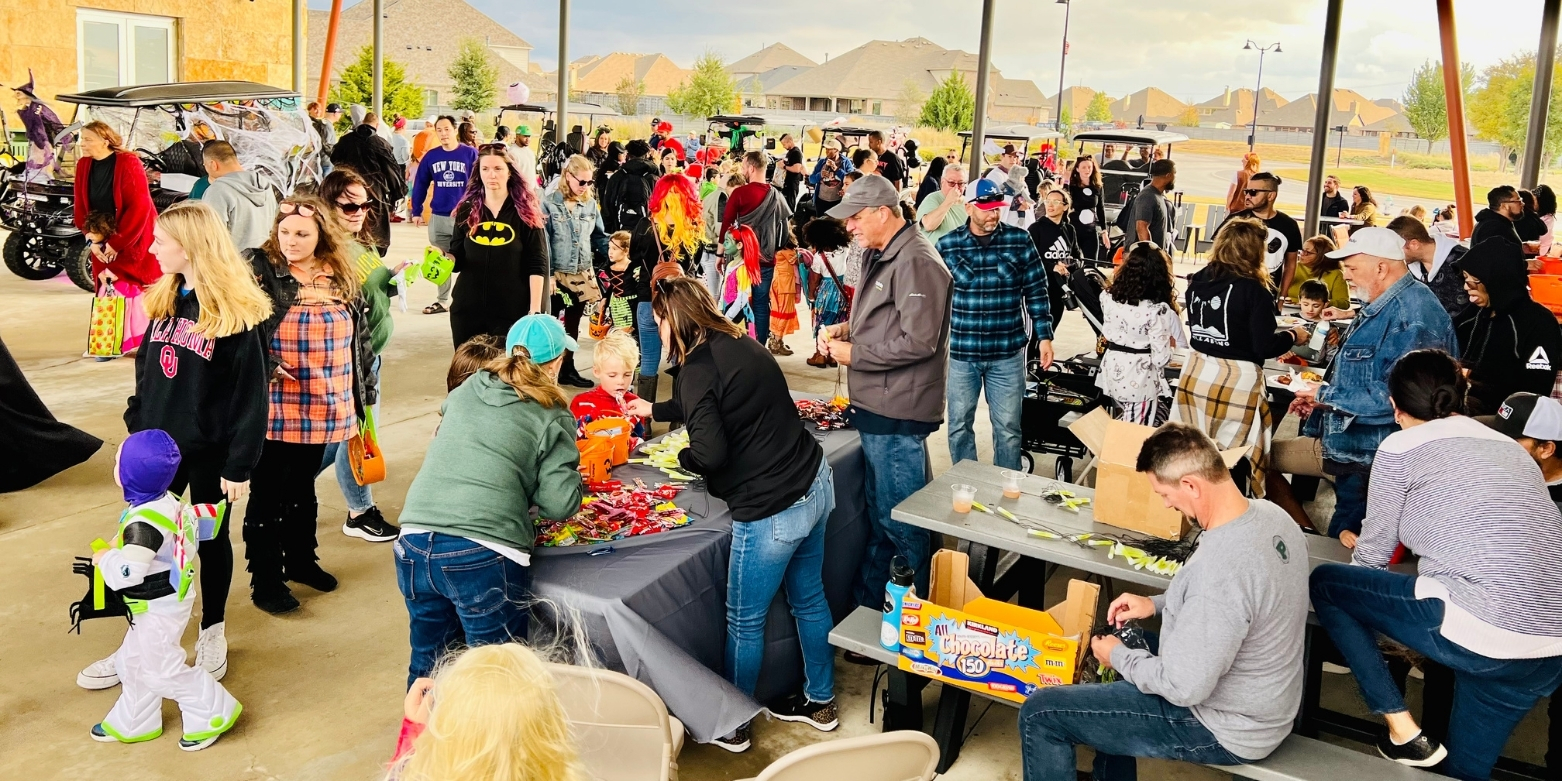
Community events serve as catalysts for building strong relationships. A neighborhood festival, a holiday celebration at the town square, or a summer concert series provides a relaxed and fun setting to meet people. This is where you move from neighbors to friends.
Shared routines also create lasting bonds. Joining a regular fitness group, participating in a weekly farmers market, or taking part in a community volunteer initiative builds a rhythm of connection into your life.
When a neighborhood’s design encourages this, community building becomes an organic part of daily living. Walkable streets, interconnected green spaces, and centrally located amenities don’t just look nice—they bring people together for shared experiences, day after day.
Planned Communities in Texas: Designed for Connection
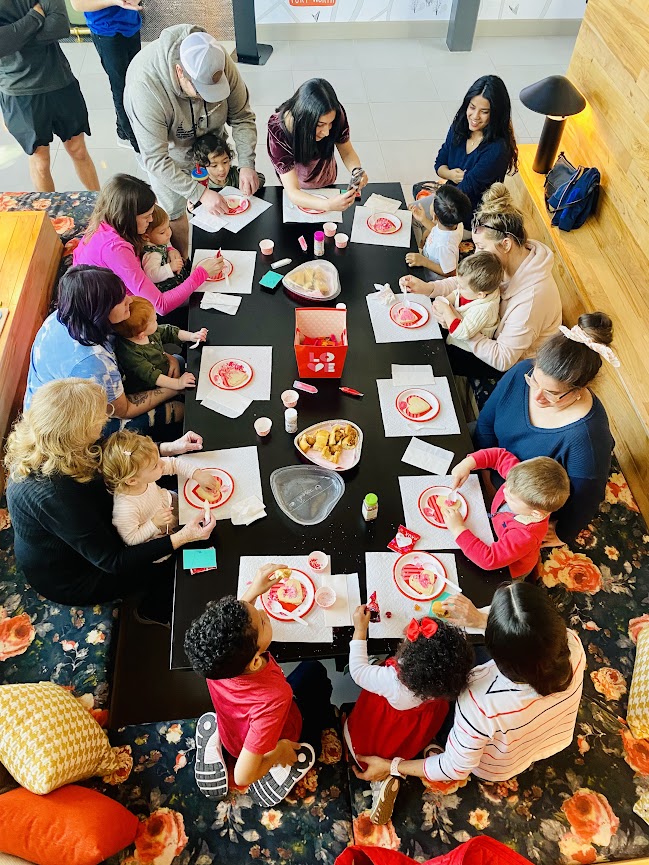
This is where the concept of a new home community truly shines. Planned communities in Texas are more than just developments; they are thoughtfully designed environments created with a specific vision for lifestyle and connection. They intentionally remove many of the barriers to meeting new people by providing the framework for a rich social life.
Instead of hoping for connection, these communities are built for it. You’ll find built-in amenities like resort-style pools, fitness centers, parks, and trails that serve as natural gathering places. More importantly, many feature dedicated lifestyle programs that plan hundreds of events, classes, and clubs throughout the year, making it easy to meet people who share your interests.

From multigenerational festivals to kid-focused activities, these opportunities foster natural connections that make a large area feel like a close-knit small town.
How Hillwood Communities Are Designed to Foster Connection
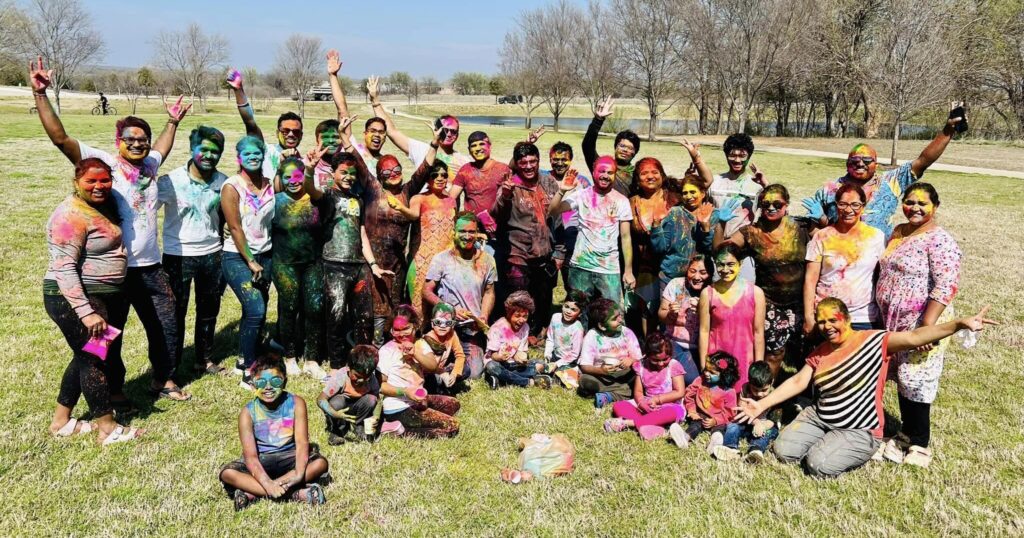
At Hillwood Communities, our approach has always prioritized people, not just properties. For over 35 years, our signature Lifestyle by Hillwood℠ has been about inspired placemaking and fostering an enriched sense of community. We believe a well-built life extends beyond the four walls of your home.
Our thoughtful layouts encourage walkability and outdoor living, making everyday interactions effortless. Parks, trails, and shared amenities are woven into the fabric of the neighborhood, serving as natural extensions of your backyard.

- In Harvest, amenities like the Harvest Farm, the Fit Barn, Farmhouse Coffee & Treasures, the Front Porch, and many others bring neighbors together through a shared interest in gardening and a thirst for fun.
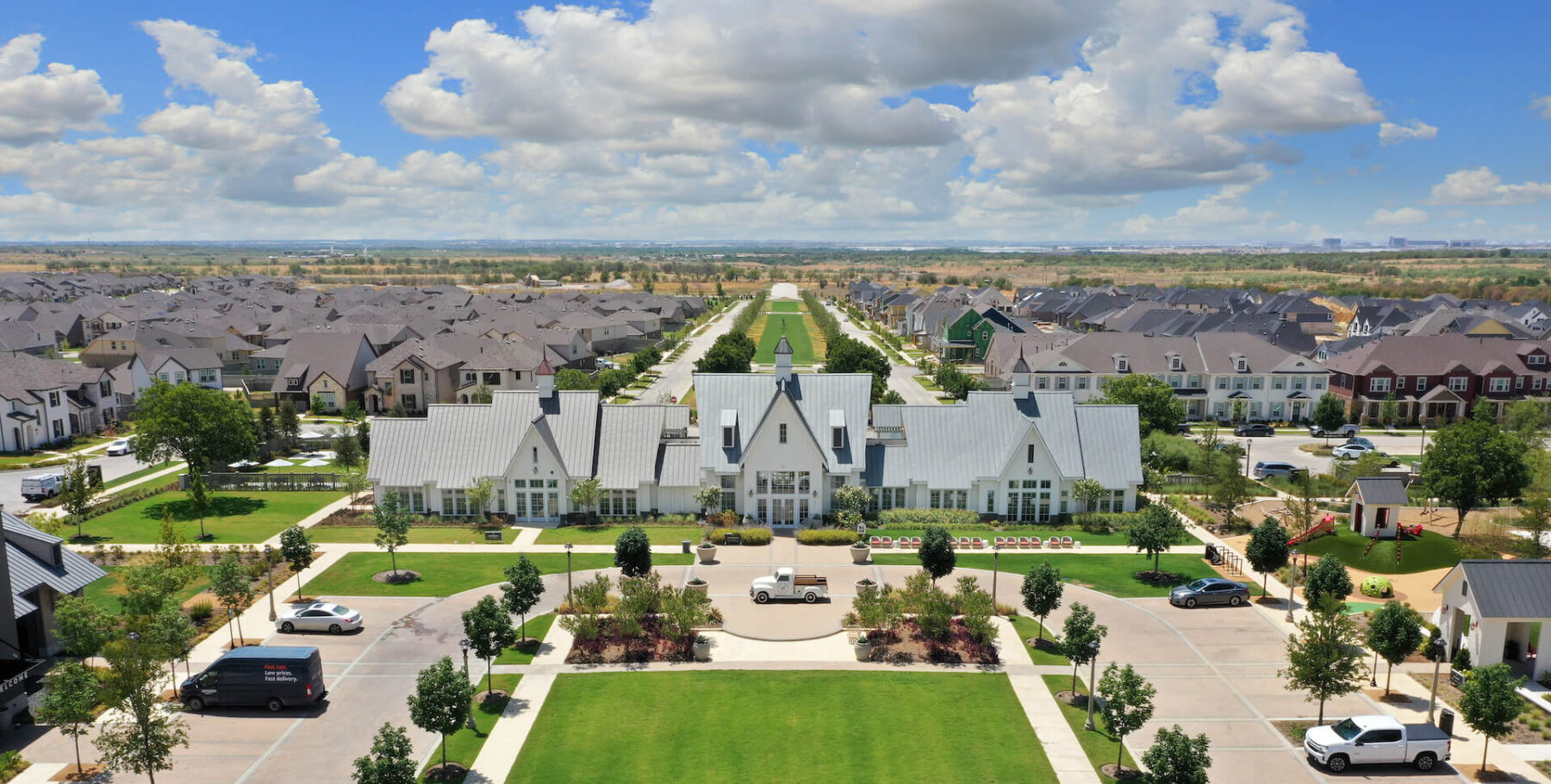
- Pecan Square was designed around a classic Town Square, creating a central hub for events, amenities, and daily connections. The Greeting House (home of the coworking space, Post & Parcel, and Jack’s Snacks), Jackson Hall (with the Fitness Center, pools, game room, and classroom), and other amenities beyond The Square are places where residents see each other day after day and develop friendships.
- Union Park celebrates active lifestyles and the great outdoors, with a unique indoor-outdoor fitness facility, an ADA-compliant playground, two fishing ponds, pools, sport courts, and a 40-yard dash track that encourages friendly competition.
- Wolf Ranch’s signature amenities such as The Den and River Camp, are built right into the natural landscape surrounding the rustic San Gabriel River. With pools, playgrounds, sports courts, pavilions, and more than 16 miles of interconnected trails, it’s easy for residents to engage naturally with one another.
- Treeline leans into its natural surroundings with amenities like The Lookout, The Grove, Twig Park, The Treehouse, and Sky Park designed to help residents unplug and connect with both nature and each other.
- Pomona residents share a unique connection to the land and nature. Wide greenbelts, gently sloping hills, and century-old oak trees along the bayou that winds through the community create a beautiful, natural setting that’s perfect for socializing.
- Lilyana’s scenic greenbelts, winding trails, and thoughtfully designed open spaces create a peaceful setting that encourages neighbors to gather, relax, and build lasting friendships.
- Legacy offers lakeside living, beautiful parks, and extensive trails. Amenities here are intentionally crafted to inspire moments of connection and celebration
- Valencia has many places to meet and play, including trails, pickleball courts, an event lawn, and an infinity edge pool.
This commitment continues in our future new home communities. Ramble by Hillwood in Celina will feature a four-mile greenbelt of parks and open spaces, while Landmark by Hillwood in Denton is planned around a 1,100-acre green ecosystem, ensuring that nature is the backdrop for community life. And Melina by Hillwood in Georgetown will offer abundant places to engage with others, including parks, pools, and green spaces, amid the rolling hills outside Austin.
Building Community Starts at Home

Choosing where to live is one of the most important decisions you’ll ever make. As you search for your next house, we encourage you to look for more than just a floor plan. Look for a place designed for connection, a place with a built-in sense of spirit, and a place that makes it easy to put down roots and build a life you love.
We invite you to visit one of our new home communities and feel the Hillwood difference for yourself. See how the trails connect neighbors, watch families gather at the park, and imagine the life that’s waiting for you here.
Our new construction builders have available homes, and many are offering incentives, so now is a great time to buy.