

Blog
This guide is for anyone considering a move to Austin or the greater Austin metro area and looking for a realistic look at the benefits and trade-offs.
Austin, Texas, known for its vibrant culture and growing economy, has matured into a major metro with a wide range of established communities and employment centers. It attracts people from all walks of life, whether they are out-of-state buyers, tech professionals, or families looking for a thriving, welcoming community. Over the past decade, the Austin-Round Rock metro area’s job market grew nearly 50%, the fastest pace of any major U.S. metro. But like any city, living in Austin has its pros and cons. If you’re considering moving to Austin, it’s important to understand its advantages and downsides in order to make an informed decision.
Key Takeaways: Living in Austin at a Glance
Austin has a way of pulling people in, having opportunity, creativity, and the outdoors all in one place. If you’re weighing a move, these quick highlights can help you decide what matters most before you dive into the details.
- Austin’s appeal extends beyond city limits — the real decision is which part of the greater Austin area fits your lifestyle and priorities.
- Austin is ideal for: People who want a strong job market, an active culture, and easy access to outdoor recreation
- Trade-offs to plan for: Living in Austin involves a higher cost of living and heavier traffic
- A smart approach: Compare Austin proper with nearby suburbs if you want more space and greater affordability
- Looking near Austin: Georgetown is part of the greater Austin metro area and offers a lifestyle on the edge of the Hill Country, with room to breathe
Interested in living near Austin?Explore Wolf Ranch by HIllwood in Greater Austin.
Explore Wolf RanchPros of Living in Austin
Strong Job Market, Tech Hub, and Growing Economy
Austin has become a hotspot for tech companies, earning the nickname “Silicon Hills.” Major tech players like Apple, Dell, Google, and Tesla have established a significant presence in the area, contributing to a strong job market. But Austin’s economy extends well beyond tech: professional and business services, construction, leisure and hospitality, and manufacturing all play a substantial role, giving residents career opportunities across a wide range of industries, not just tech. These employment centers extend well beyond the city itself, reaching north along the I-35 corridor into suburbs like Round Rock and Georgetown, so residents throughout the greater Austin area have access to the region’s job growth. With low unemployment and diverse industries, Austin offers a top environment for career growth.
Diverse and Welcoming Community
Austin is known for its inclusive and diverse community. People from various backgrounds and lifestyles call the city home, making it a welcoming place for newcomers from all walks of life. The “Keep Austin Weird” motto also reflects the city’s embrace of individuality and creativity. Whether you’re moving from another state or from within Texas’s borders, Austin’s friendly environment makes it easy to settle in.
Vibrant Culture, Arts, and Music Scene
Austin is often described as the “Live Music Capital of the World,” and for good reason. The city boasts a thriving music and arts scene with plenty of live performances, festivals, and creative events. Whether you’re into indie rock, blues, or country, there’s never a shortage of musical options. The music scene extends into the surrounding suburbs, too, with Georgetown hosting the annual Two Step Inn country music festival and Round Rock home to the Lone Star State Jam, both drawing national touring acts each year. And this lively, fun environment draws in both residents and visitors alike, only further adding to Austin’s appeal.
Beautiful Natural Surroundings and Abundant Recreational Opportunities
For those who love the outdoors, Austin offers beautiful natural surroundings. From the rolling Texas Hill Country to the scenic parks and lakes, outdoor activities are just outside your door. Residents can enjoy hiking, swimming, kayaking, or simply exploring nature. Places like Zilker Park, Barton Springs Pool, and Lady Bird Lake are popular spots to unwind and stay active. Venture beyond city limits into the greater Austin area, and the options only expand, from swimming at Georgetown’s Blue Hole Park to boating and fishing on Lake Georgetown, with even more scenic trails and swimming holes found throughout the Hill Country.
Mild Climate and Plenty of Sunshine
Austin’s climate is one of the major reasons many people love living here. The city experiences mild winters and plenty of sunshine throughout the year. While summers can be hot, the extended periods of clear, sunny weather make outdoor activities enjoyable. For those who prefer a warm climate, Austin’s weather can be a major perk.
Breweries, Distilleries, & Dining
Food lovers will feel right at home in Austin! The city is filled with myriad, diverse dining options, ranging from barbecue to international cuisine. Food trucks, breweries, and distilleries add to Austin’s culinary landscape. Local restaurants and eateries offer everything from casual meals to fine dining, ensuring that there’s something to satisfy every palate. That same spirit extends into the surrounding small towns, too. Georgetown’s historic downtown Square is home to spots like Rentsch Brewery and Georgetown Winery, one of the area’s original wineries, while Dripping Springs, just west of Austin, has built a reputation as one of the state’s top destinations for craft breweries, wineries, and distilleries.
Cons of Living in Austin
Traffic Congestion and Overcrowding
One of the biggest challenges of living in Austin is the growing traffic congestion. As the city continues to expand, the infrastructure has struggled to keep pace with the increasing population.
Traffic and commute times can vary significantly across the Austin metro. While central Austin may offer shorter distances to certain employment and entertainment hubs, congestion can be a consideration throughout the region, particularly during peak commuting hours.
Overcrowding can sometimes detract from and congest the city’s popular attractions.
Increasing Cost of Living
While Austin remains an attractive destination, the cost of living has risen steadily with its growth in population. For those on a tight budget, finding affordable homes near Austin, Texas, can be a challenge, although more affordable housing options exist in new home communities in many of Austin’s surrounding suburbs, like Wolf Ranch by Hillwood in Georgetown.
Limited Public Transportation Options
Public transportation options in Austin are somewhat limited compared to other cities of the same size. The city currently relies on bus service and MetroRail, a commuter rail line, and a long-planned light rail system is still under construction, with service not expected for several more years. Until then, many residents rely on their own vehicles to get around.
High Housing Prices within Austin Proper
While housing costs vary throughout the Austin metro, the city’s rapid growth over the past decade pushed home values up significantly. While the market has since cooled and prices within the city have pulled back from their peak, homes inside Austin’s city limits still tend to cost more than homes in much of the rest of Texas.
Homes in central Austin typically carry a premium for proximity to downtown employers, entertainment, and established neighborhoods. Accessible new-home options exist outside city limits, particularly in northern suburbs like Georgetown, where new-construction communities offer more home for the money, larger lots, and newer construction, and often come with builder incentives that can help offset the difference.
Droughts and Heatwaves
Austin’s natural beauty comes with environmental challenges, as well. Droughts and heatwaves are common in the region, and the city periodically enacts watering restrictions to manage demand on its lake-based water supply. Summers here are genuinely hot, not just warm: based on long-term National Weather Service averages, Austin sees around 30 days a year at or above 100 degrees, with August highs typically running in the high 90s. That’s a real adjustment for buyers relocating from cooler climates like the Northeast or Midwest, where an extended stretch of triple-digit days simply isn’t part of the yearly routine. Water conservation and energy consumption have become ongoing considerations as the region continues to grow.
Urban Sprawl and Development
Along with Austin’s growth comes urban sprawl. New developments are expanding into previously rural areas, which has affected some of the city’s surrounding natural landscapes. While growth is inevitable, some residents find the changes to Austin’s landscape challenging to adapt to.
Is Living in Austin Right for You?
Many people who consider moving to Austin find that the pros outweigh the cons. Austin remains the fastest-growing major metro area in Texas, and driven by its strong job market, vibrant cultural scene, and outdoor lifestyle, it has proven to be a top choice for people from all walks of life. For those seeking a diverse, forward-thinking city with plenty of opportunities, Austin can be an ideal place to call home.
That said, the challenges of traffic, rising living costs, and environmental concerns might give some potential residents pause. For many, the solution is to look for affordable housing options in the greater Austin metro area, particularly in suburbs like Georgetown. Areas outside the city provide a balance of proximity to Austin’s amenities and more affordable home prices with the natural beauty that many can’t live without.
Austin vs. Suburbs: Which Fits Your Lifestyle Best?
Austin proper offers energy, convenience, and a calendar that’s always full. At the same time, many buyers find that nearby suburbs provide a little more breathing room, without giving up access to the things they love about the region.
If you’re deciding between living in Austin or living just outside the city, start with the lifestyle you want day-to-day. Your best fit usually comes down to how you want to spend your mornings, your weekends, and your commute.
Quick Comparison: Austin Proper vs. Nearby Suburbs
Both Austin and the surrounding Hill Country communities offer a lot for homebuyers. The chart below lets you see how they compare based on your priorities.
| What you’re prioritizing | Austin proper may be a better fit | A suburb near Austin may be a better fit |
|---|---|---|
| Proximity to downtown | Closer access to central Austin dining, cultural events, and employers | You’re willing to live a little farther out, yet still within reach, in return for more space and a slower pace |
| Home size and outdoor space | Austin proper generally means smaller lots and less private outdoor space | Often more options for larger homesites and community green space |
| Daily rhythm | Faster pace, more “always on” | A more relaxed routine with room to recharge |
| Community feel | Established neighborhoods offer decades of character and a strong, urban energy | Master-planned communities offer abundant amenities and social opportunities (in Hill Country settings) that can make it easy to meet people |
| Access to Top Schools | For families who want additional options, Austin is also home to a number of well-regarded private schools known for rigorous academics and smaller class sizes | Georgetown ISD, which serves both Wolf Ranch and Melina, reports a 97% graduation rate along with average SAT and ACT scores that outpace the Texas state average. |
| Long-term lifestyle | Great for those who want to be in the heart of the action | Great for those who want to grow roots with a bit more flexibility |
Because Georgetown is part of the greater Austin metro area, it’s a popular choice for buyers who want scenic Central Texas surroundings and a strong sense of community while still staying connected to Austin.
Find Your Austin-area Home at a Hillwood Community
If you’re considering moving to Austin or the surrounding area, exploring new home communities like Wolf Ranch in Georgetown could be a great option. Hillwood’s award-winning communities contain thoughtfully designed neighborhoods, engaging lifestyle programs, natural beauty, and a commitment to providing the best possible life for residents.
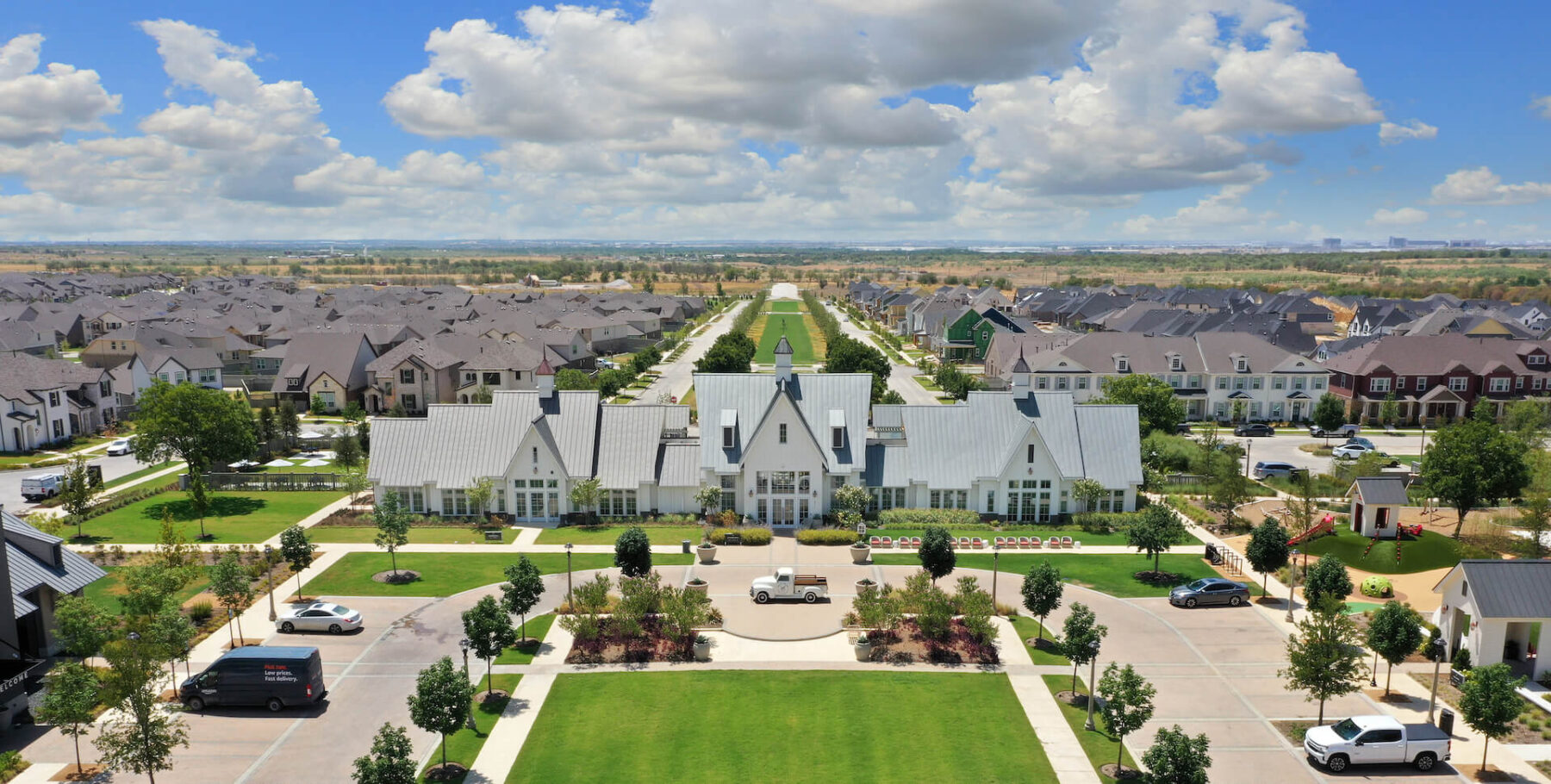
Just a short drive north of Austin, Wolf Ranch by Hillwood offers an appealing alternative to living within Austin city limits. With easy access to Austin’s job market and cultural offerings, residents enjoy beautiful surroundings, modern homes, and a family-friendly atmosphere without Austin’s high price tag.
Also in southeast Georgetown, Melina by Hillwood is a new home community currently under construction, inspired by the land’s history as a wildflower and honey farm. Builder partners will be announced in September, with model homes and the community’s grand opening set for April 2027, when homeowners can look forward to scenic lakes, miles of trails, a pollinator garden, and a resort-style amenity center, all zoned to Georgetown ISD.
Hillwood Communities is dedicated to creating new home communities that offer a great quality of life. Whether you’re a first-time homebuyer or are relocating to Texas from out of state, you’ll find there’s a lot to love about living in a Lifestyle Community by Hillwood.
We’d love to hear from you! Contact Hillwood Communities today to learn more about finding your new home near Austin, Texas.
FAQ
Is it better to live in Austin or outside the city?
Austin proper offers closer proximity to downtown dining, events, and employers, but many readers find that nearby suburbs provide more space, easier living rhythms, and a calmer pace while still staying connected to the region. This question helps readers evaluate daily routines and long-term lifestyle goals rather than just geographic preference.
How do I choose the right part of the Austin metro area for my commute and lifestyle?
Start with your non-negotiables: commute time, desired pace of life, and the kind of neighborhood you want. Then compare a few areas in person at different times of day to experience traffic, noise, and daily rhythms. Hillwood communities in Georgetown and surrounding areas often offer a balance of small-town charm with practical access to work centers and schools.
Is Georgetown considered part of the Austin area?
Yes. Georgetown is part of the greater Austin metro area and is frequently chosen for its scenic setting at the gateway of the Hill Country, strong sense of community, and access to Austin’s amenities, making it a natural extension of the Austin experience for many families.
What should I prioritize when comparing neighborhoods or suburbs (space, schools, commute, amenities)?
Prioritize what matters most to your family’s daily life. Is it school quality and district placement? Home size and yard space? Access to parks and trails? The commute to work or school? Look for communities that bundle thoughtful amenities with efficient design and predictable maintenance so your daily routines become easier, not more complicated.
How can I plan a summer move to Austin with less stress?
Begin with a timeline that aligns with school start dates and work moves, then narrow inventory to move-in ready options that fit your must-haves. Schedule tours early, lock in financing conversations, and request updated completion estimates. Having a clear path to a closing date reduces uncertainty and keeps the process calm and organized.
Are there quick move-in options near Austin?
Yes. Wolf Ranch in Georgetown periodically offers quick move-in opportunities. If your goal is to be settled quickly, view move-in ready homes on the community’s website, then confirm availability and timing with the builder’s representative, so you can plan the next steps with confidence.
What’s the best next step if I’m interested in living near Austin?
The most efficient next step is to schedule a tour or request information for the Austin-area communities that fit your timeline and lifestyle. This opens the door to seeing available quick move-in homes, understanding school options, and aligning your move with the school calendar.