Blog
As the aftereffects of the pandemic begin to fade, one particular trend shaping the Lone Star State continues — population growth around the Dallas-Fort Worth (DFW) area. According to the US Census Bureau, the region saw over 152,000 new residents just last year, an indicator that the city remains a magnetic destination.
A combination of robust business development, favorable economic conditions, and an attractive quality of life fuels this explosive growth. But as the city’s population continues to swell, many have been prompted to look further out, exploring the appealing small towns surrounding Fort Worth, which offer a unique blend of community feel, affordable new homes in DFW, and access to the bustling metroplex cities.
Fort Worth Suburbs: The Growth of DFW
The Dallas-Fort Worth area has been recognized for its substantial economic growth, which is supported by various factors that make it a desirable place for businesses and residents alike:
- Business Development: DFW has attracted a wide array of companies thanks to its business-friendly environment. This includes major corporations that have chosen to relocate their headquarters to the area (Toyota, NTTData, McKesson, CBRE), significantly boosting job opportunities and economic development.
- Favorable Economic Conditions: The region’s low taxes and pro-business policies have made it an attractive location for both established businesses and startups, contributing to its dynamic economic landscape.
- Education and Healthcare: DFW is home to numerous high-quality educational institutions and healthcare facilities like the University of North Texas, Texas Christian University, Southern Methodist University, the University of Texas’s Southwestern Medical School, and many more. This not only draws professionals in these fields but also provides residents with excellent services and opportunities for higher education.
- Quality of Life: The area is known for its quality of life, attributed to mild winters and a wealth of amenities and entertainment offerings that cater to a wide range of interests and lifestyles.
- Central Location and Travel Infrastructure: DFW’s central location in the United States and its extensive travel infrastructure, including two major airports, make it an ideal hub for national and international business.
Housing Needs and Small Town Development
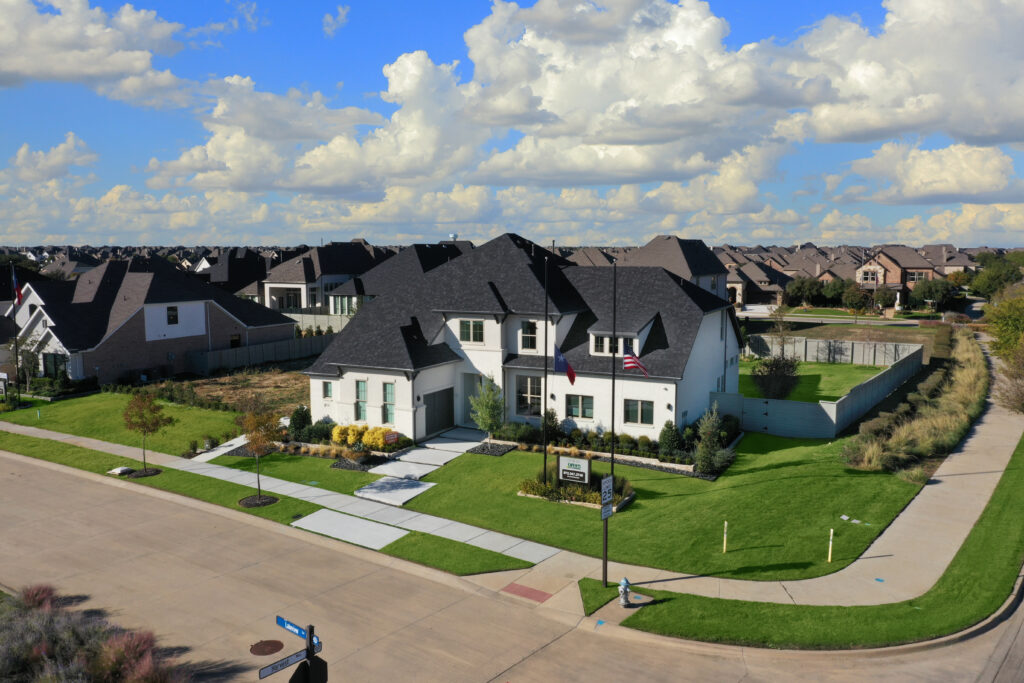
As the DFW area expands, the surge in housing demand has been particularly pronounced in the towns north of Fort Worth, which are developing rapidly to accommodate this growth. The appeal of these towns on the growth of rural towns on the outskirts of DFW stands out amongst the significant suburban sprawl due to:
- Community Feel and Neighborliness: Small towns around Fort Worth offer a close-knit community atmosphere, which is a significant draw for those looking to escape the hustle and bustle of the city.
- Rural Appeal and Open Spaces: These areas provide residents with more space and access to nature, which is highly valued by those preferring a quieter, more laid-back lifestyle.
- Affordability: The cost of living in these towns is often lower compared to the urban centers, making them more accessible to a broader demographic.
- Economic Opportunities and Quality Schools: The presence of good schools and local economic opportunities make these towns attractive for families looking to settle in areas that promise growth and stability.
Best Suburbs & Small Towns Near Fort Worth
Each of these towns not only supports a high quality of life but also benefits from the broader DFW area’s growth while maintaining its unique character:
- Argyle: Argyle is known for its charming small-town way of life, top-rated schools, and convenient location just 30 minutes from the culture, shopping, dining, and entertainment options of Fort Worth. Its strong sense of community makes it a no-brainer as the location for award-winning new home communities like Harvest by Hillwood, and a particularly attractive place for families.
- Haslet: Known for its low crime rates and a healthy sense of community, Haslet provides a peaceful rural setting located just 15 miles north of downtown Fort Worth. As a major intermodal hub with close access to local airports, it’s no wonder that Haslet and its surrounding area have grown at a massive 191.4% rate since the beginning of the new millennium.
- Justin: Known for its affordability and high quality of life, Justin is poised for growth with the upcoming development of Treeline by Hillwood in 2025. The new community will offer new construction homes by the area’s most sought-after builders and unique, tree-inspired amenities nestled in an area punctuated by stands of mature oaks and a meandering creek.
- Keller: Keller ranks in the Top 100 best places to live, and for good reason. Its proximity to both Dallas and Fort Worth offers all the benefits of big-city living, while its quiet, family-friendly neighborhoods feature excellent schools and public services — everything that families need to thrive.
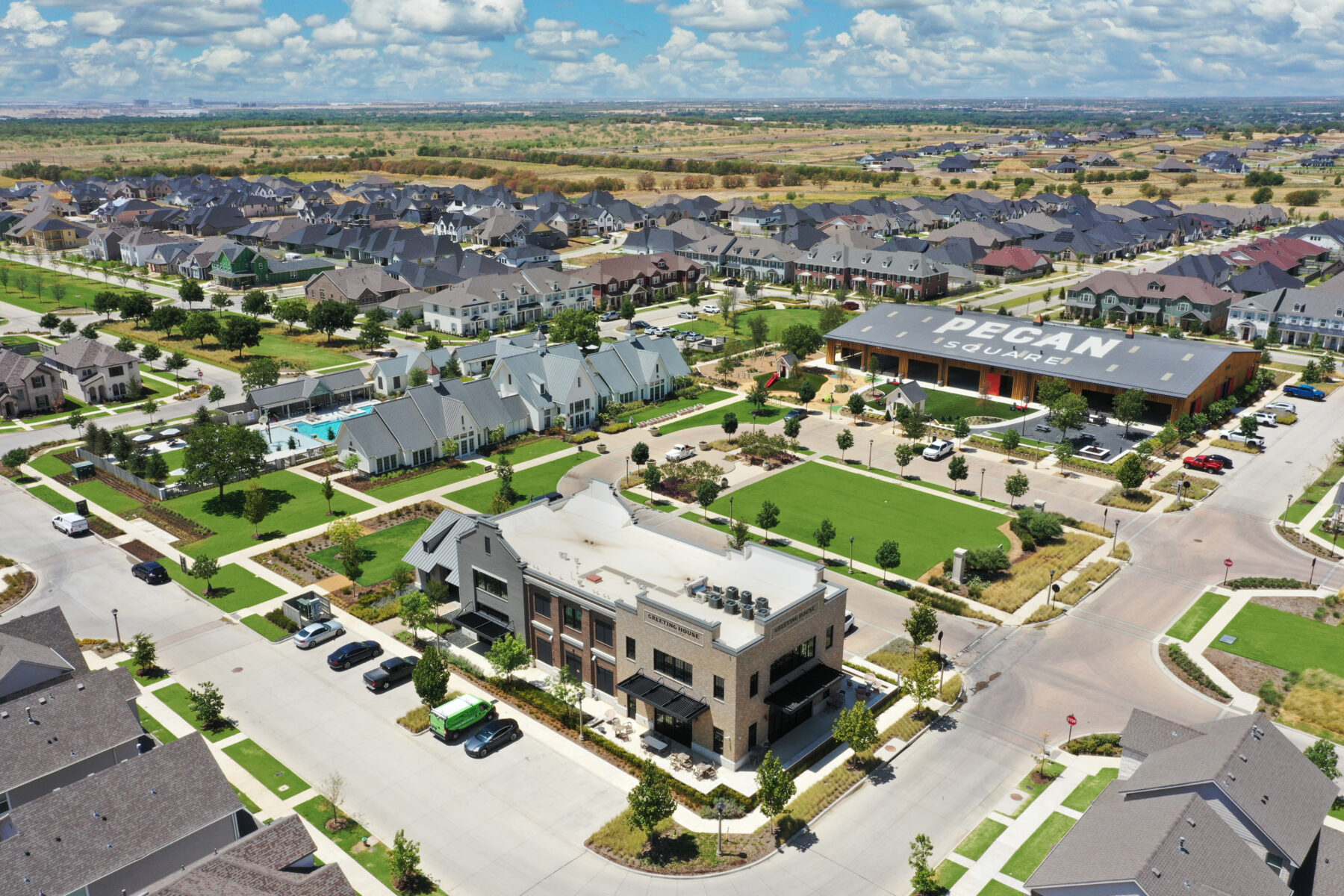
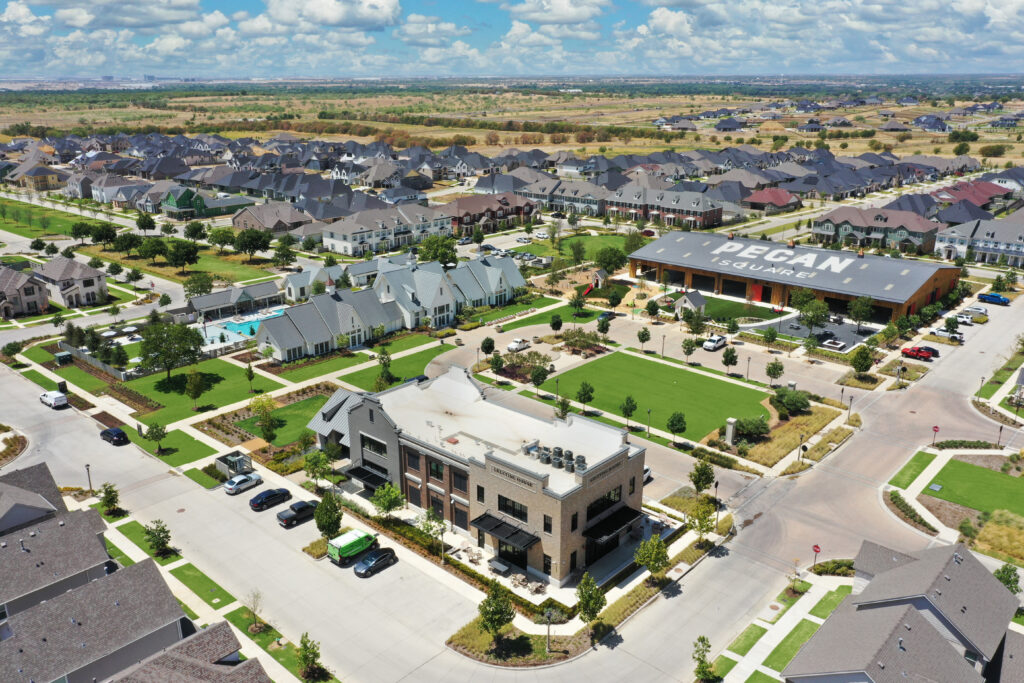
- Northlake: A smaller city in burgeoning Denton County, Northlake has seen recent rapid growth as well, with a thriving housing market to show for it. It’s the location of Pecan Square by Hillwood, a residential community where every home comes outfitted with a technology bundle and residents share unique, modern amenities like a co-working space and secured Amazon Hub lockers, all in a serene, pastoral setting.
- Roanoke: With a smaller population relative to the surrounding area, Roanoke punches above its weight when it comes to cultural impact. Celebrated as the “Unique Dining Capital of Texas,” it offers a combination of culinary delights and a vibrant community atmosphere.
For anyone considering planned communities near Fort Worth as the destination for their next home, these towns offer a blend of lifestyle, convenience, and community.
Small Towns Near Fort Worth: Explore New Construction Homes
Living in one of the small towns near Fort Worth offers a slower pace of life with less traffic and lower living costs, coupled with the benefits of tight-knit communities and rural charm.
If you’re interested in making one of these delightful towns your home, explore the new construction home options in Hillwood’s lifestyle communities. These award-winning communities are designed with quality of life in mind, offering modern amenities, beautiful homes, and vibrant lifestyle programs designed to enrich residents’ lives.
Contact us to explore new construction homes in Hillwood’s communities around Fort Worth. Experience first-hand the unique advantages of living in these thriving small towns. Our builders have available inventory and are offering enticing incentives to help make your dream home a reality, so reach out today!
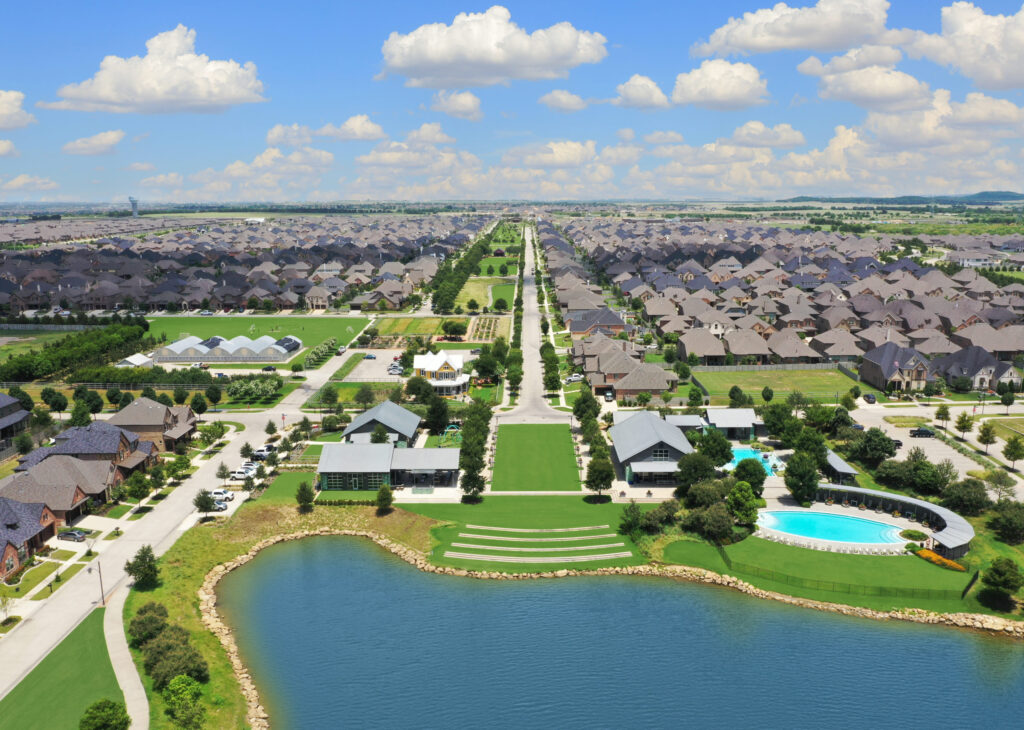
Harvest
Argyle & Northlake, TX
With its walkable mix of homes, businesses and agriculture, Harvest is a perennial award-winner.
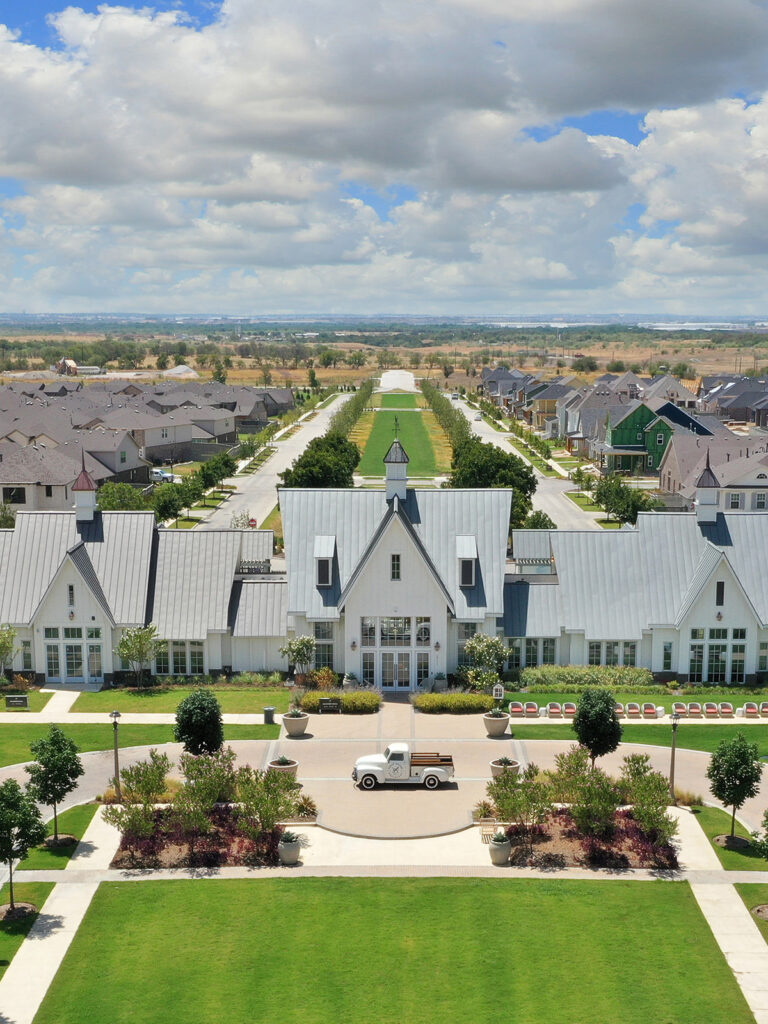
Pecan Square
Northlake, TX
“Meet me at the Square” to celebrate the rituals of the changing season. Pecan Square is the new gathering place for Northlake, where town meets country.
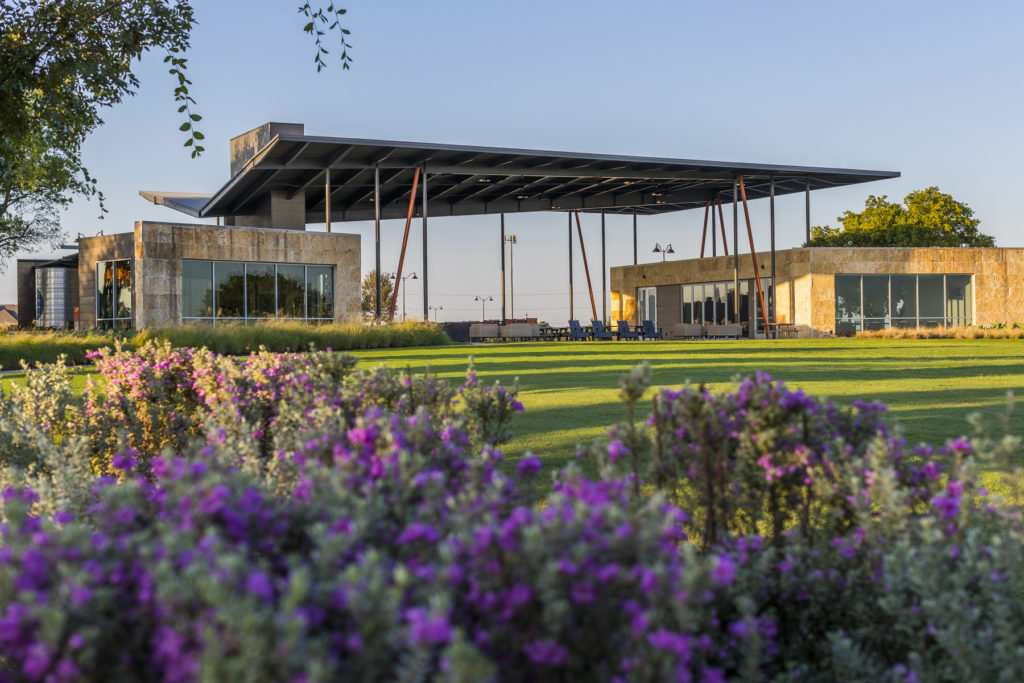
Union Park
Little Elm, TX
A delicious slice of small town right in the middle of the bustling Denton-Frisco-McKinney area.
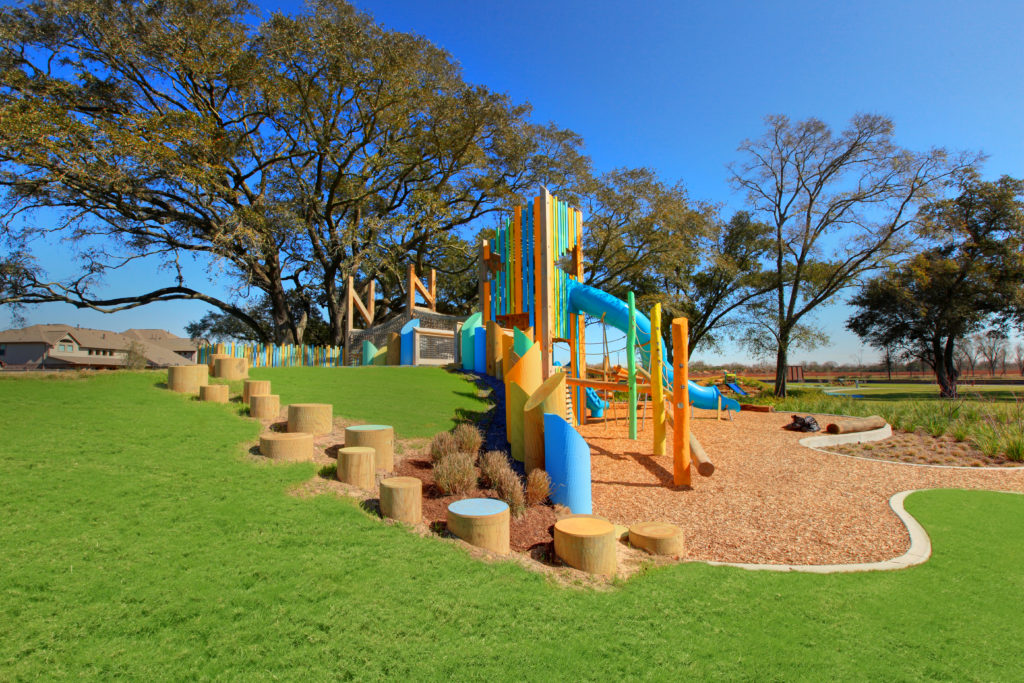
Pomona
Manvel, TX
Natural marshland and 100-year-old oak trees come together with exciting amenities and vibrant community.
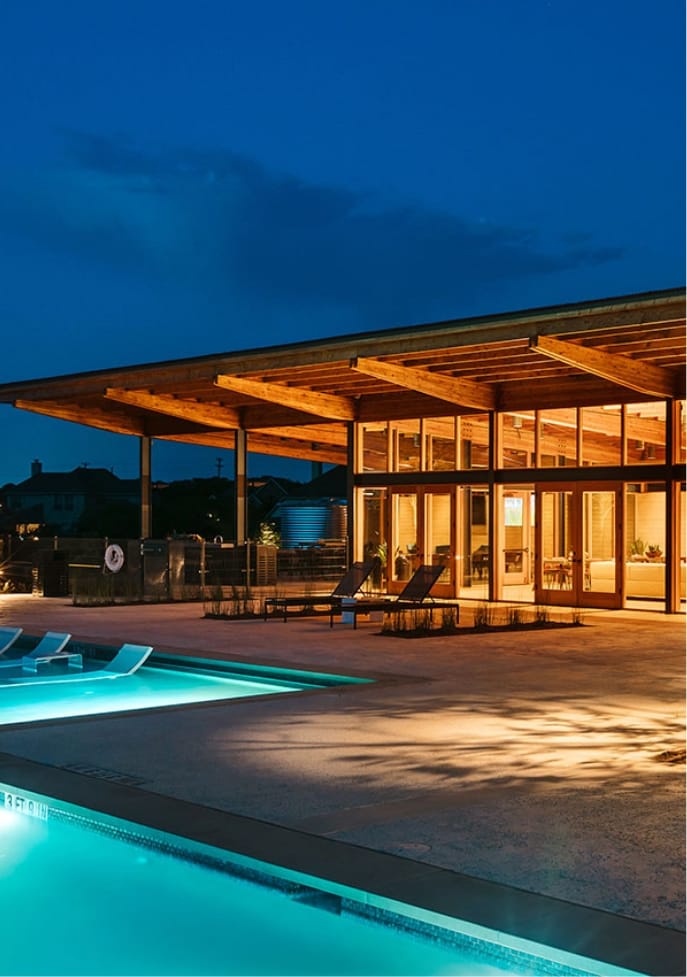
Wolf Ranch
Georgetown, TX
A riverside retreat in the Texas Hill Country with a variety of homes and an award-winning lifestyle program.
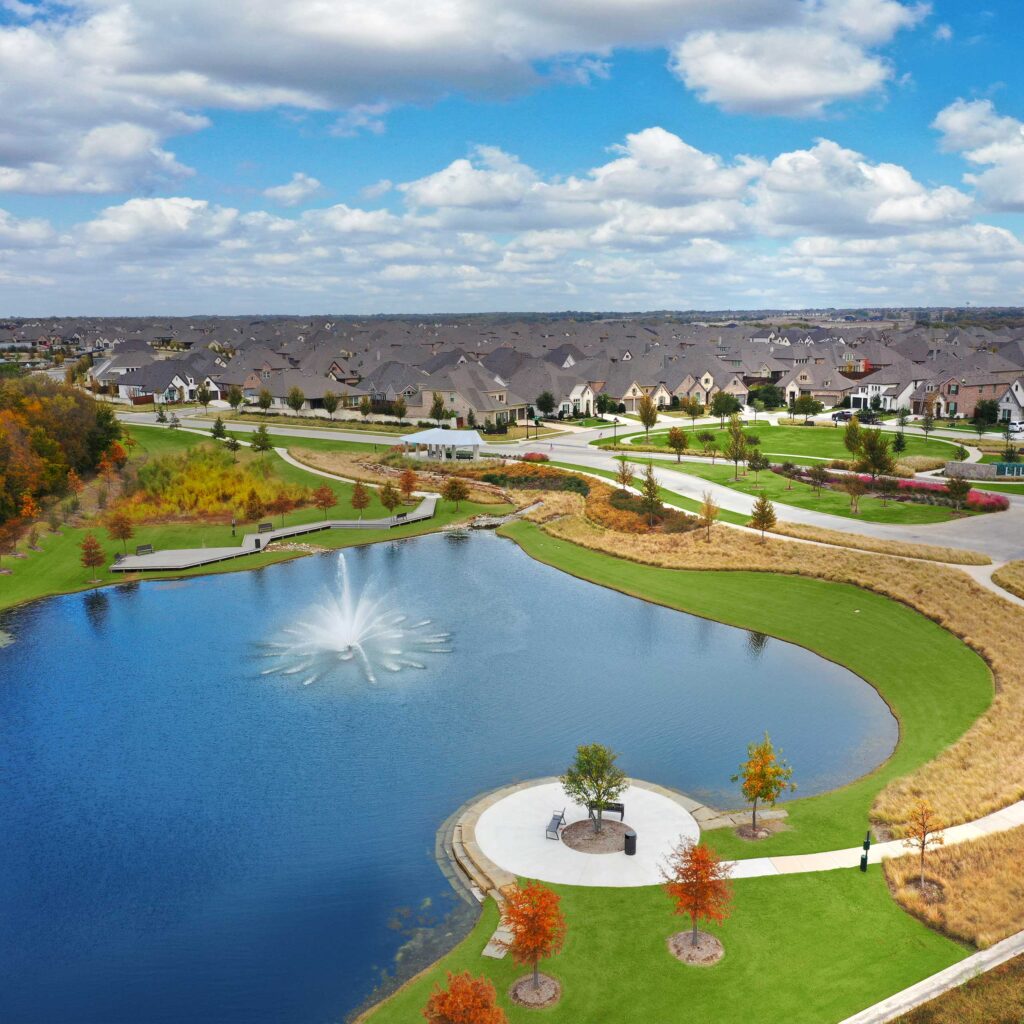
Lilyana
Celina, TX
Frisco is close. And the important stuff — like great schools and family fun — are even closer.
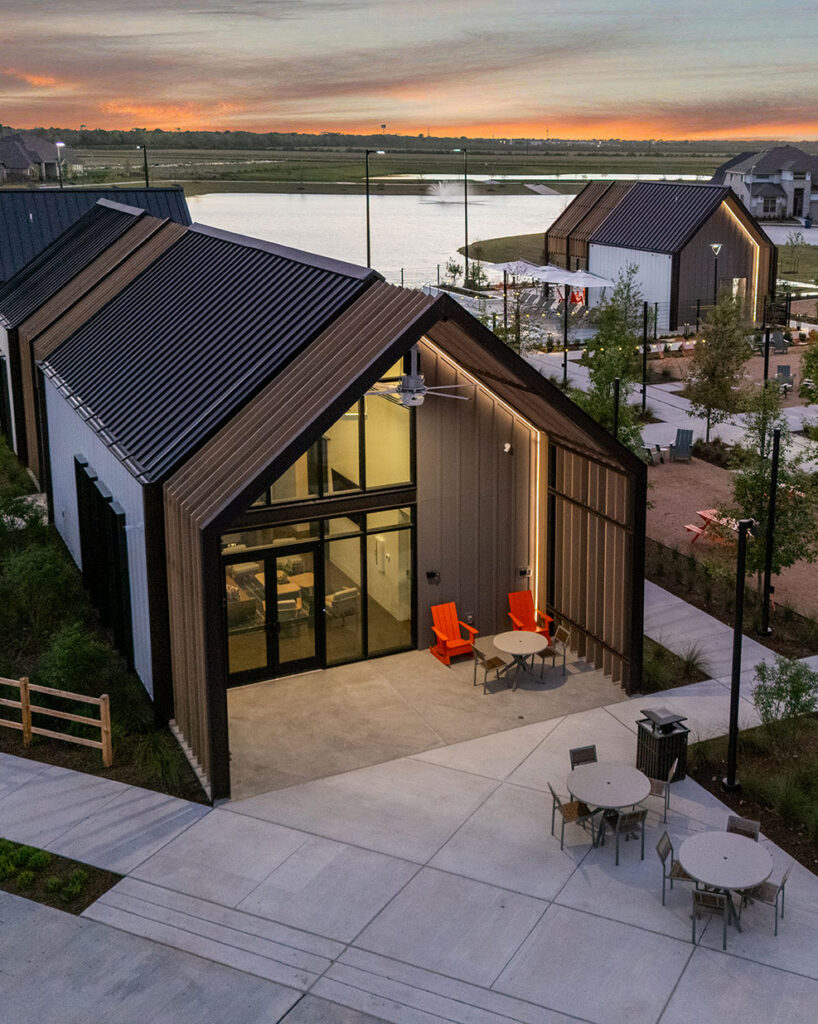
Valencia
Manvel, TX
Get ready to treat yourself to a life that’s as delicious and nourishing as our community’s namesake fruit
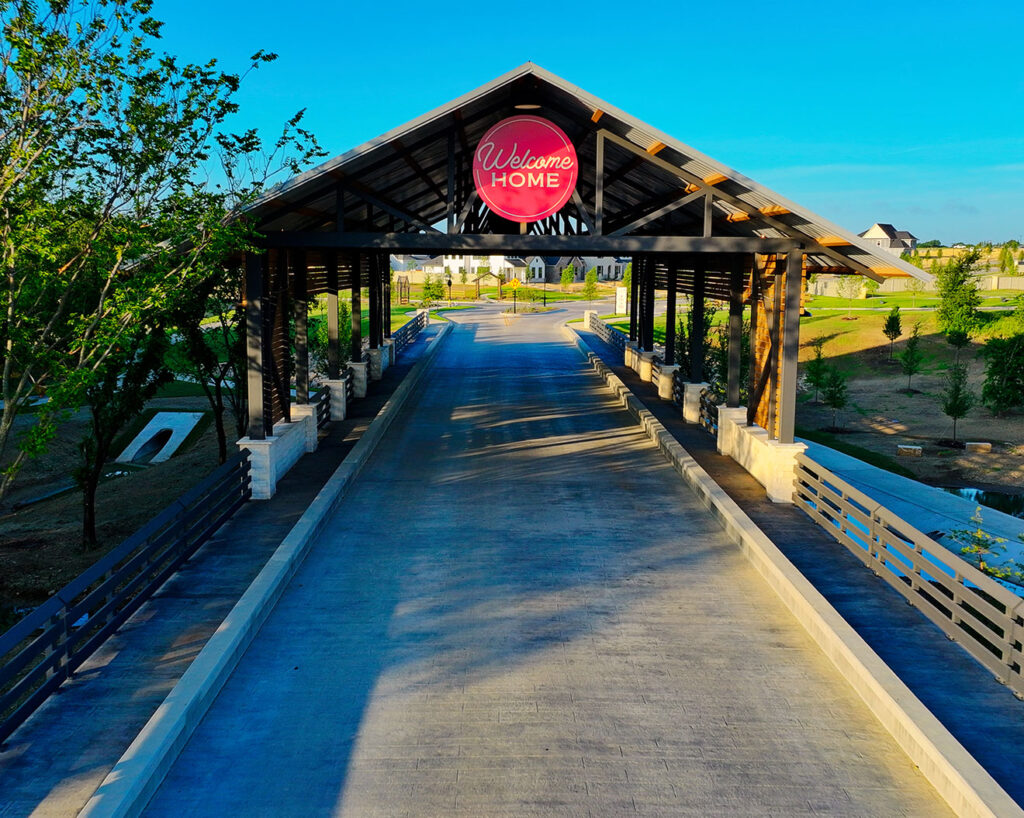
Treeline
Justin, TX
Enjoy the magic of Treeline by Hillwood – where good land and good people make a good place.
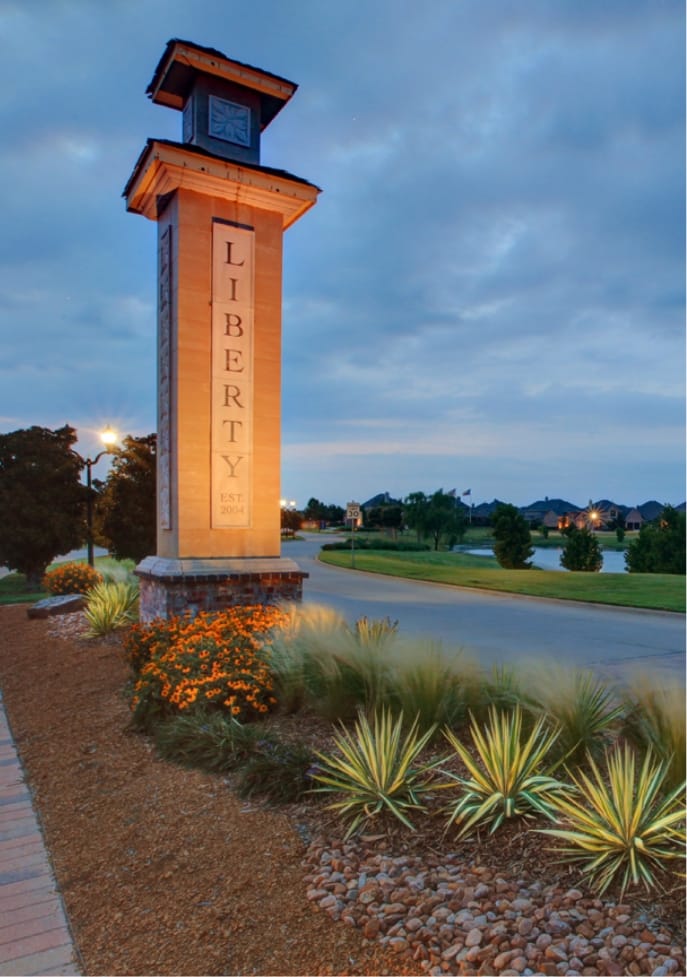
Liberty
Melissa, TX
Inspired by the small-town spirit of Melissa, Liberty is the freedom to live simply and richly.


Ramble
Celina, TX
You’re invited to wander naturally at Ramble by Hillwood – where all paths lead home.
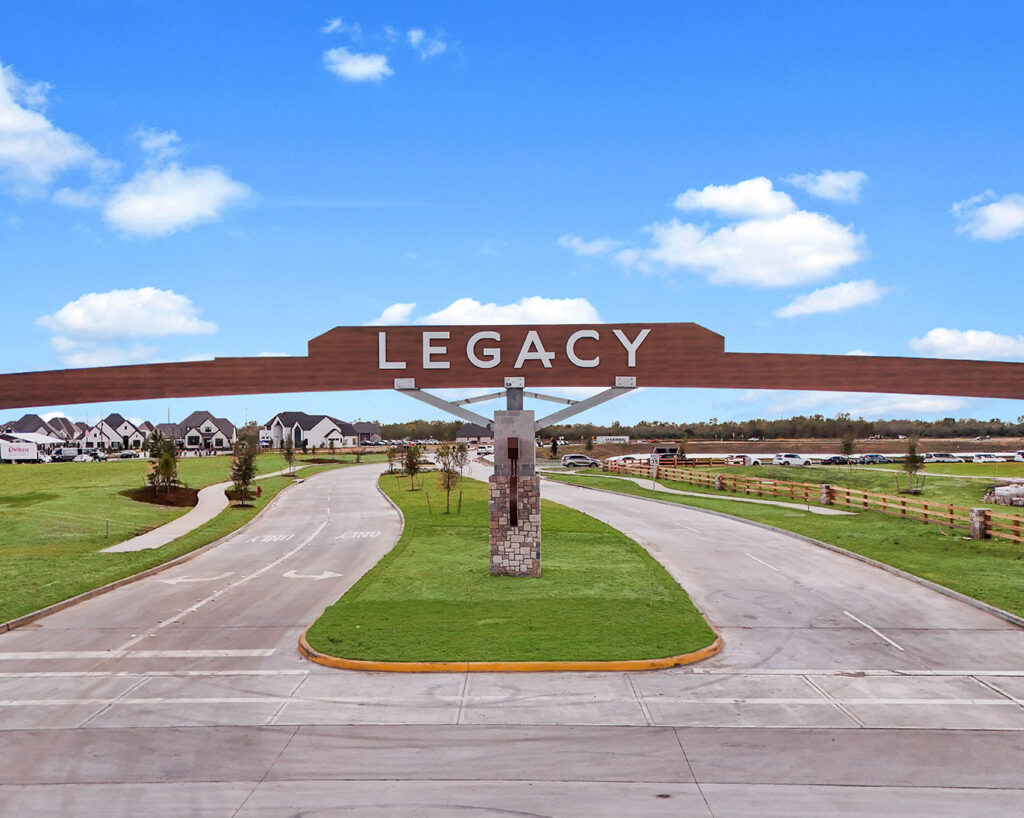
Legacy
League City, TX
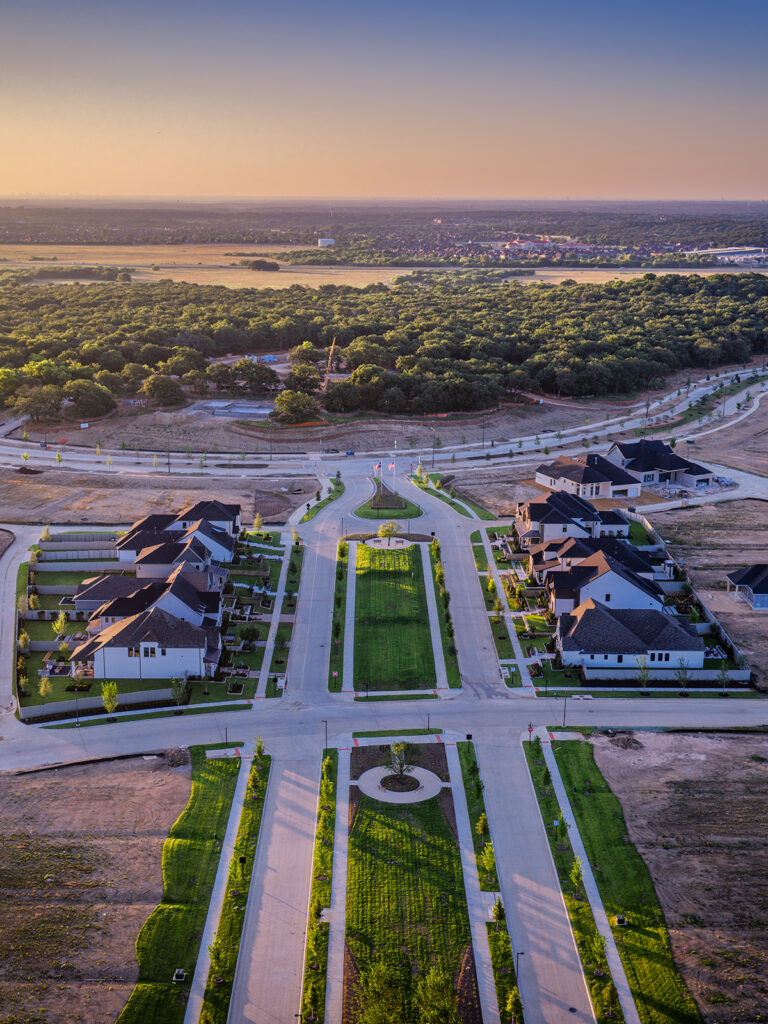
At Legacy by Hillwood, home isn’t just where you live—it’s how you live. A place where tradition is born.
FAQ
How long is the typical commute from Fort Worth’s outer suburbs into the city?
Commute times vary depending on the specific town and proximity to major highways, but residents living in popular northern and western suburbs (such as Northlake or Argyle) typically experience a 30-45 minute drive into downtown Fort Worth. The continued expansion of the I-35W corridor and Highway 114 has significantly streamlined access to both Fort Worth and the AllianceTexas business hub, making these small towns highly viable for daily commuters.
Do new master-planned communities in smaller Texas towns have reliable internet for remote work?
Yes. While rural areas historically struggled with internet connectivity, modern master-planned communities built in these small towns are developed with remote workers in mind. Communities designed by developers like Hillwood Communities install robust, high-speed fiber-optic infrastructure from day one, ensuring residents have enterprise-grade internet access even in quieter, suburban settings.
How are school districts in rapidly growing Fort Worth suburbs handling the influx of new residents?
Many school districts in booming areas of Denton County (such as Northwest ISD and Argyle ISD) are highly proactive. Because developers work closely with local ISDs during the planning phases of new communities, they often set aside land specifically for new on-site elementary and middle schools. This ensures that education infrastructure scales alongside the population, maintaining the high educational standards that draw families to these small towns in the first place.
Are property taxes different in Fort Worth’s surrounding small towns compared to the city limits?
Yes, property tax rates can vary significantly depending on the municipality and the county. While small towns often have different base tax rates than the City of Fort Worth, new construction homes in master-planned communities may also include Public Improvement District (PID) or Municipal Utility District (MUD) assessments. These specific assessments fund the elevated infrastructure, parks, and resort-style amenities that make these neighborhoods so desirable. Always verify the tax rate for your address with your county tax office.
Do homes in master-planned communities outside the city appreciate differently than urban homes?
Historically, homes in comprehensive master-planned communities maintain strong, stable property values. Because these neighborhoods are typically managed by Homeowners Associations (HOAs) and offer desirable amenities like community pools, lifestyle directors, and trail systems, they tend to stay highly competitive in the real estate market. As the DFW metroplex continues to expand outward, buying into a small town early often results in excellent long-term equity growth.